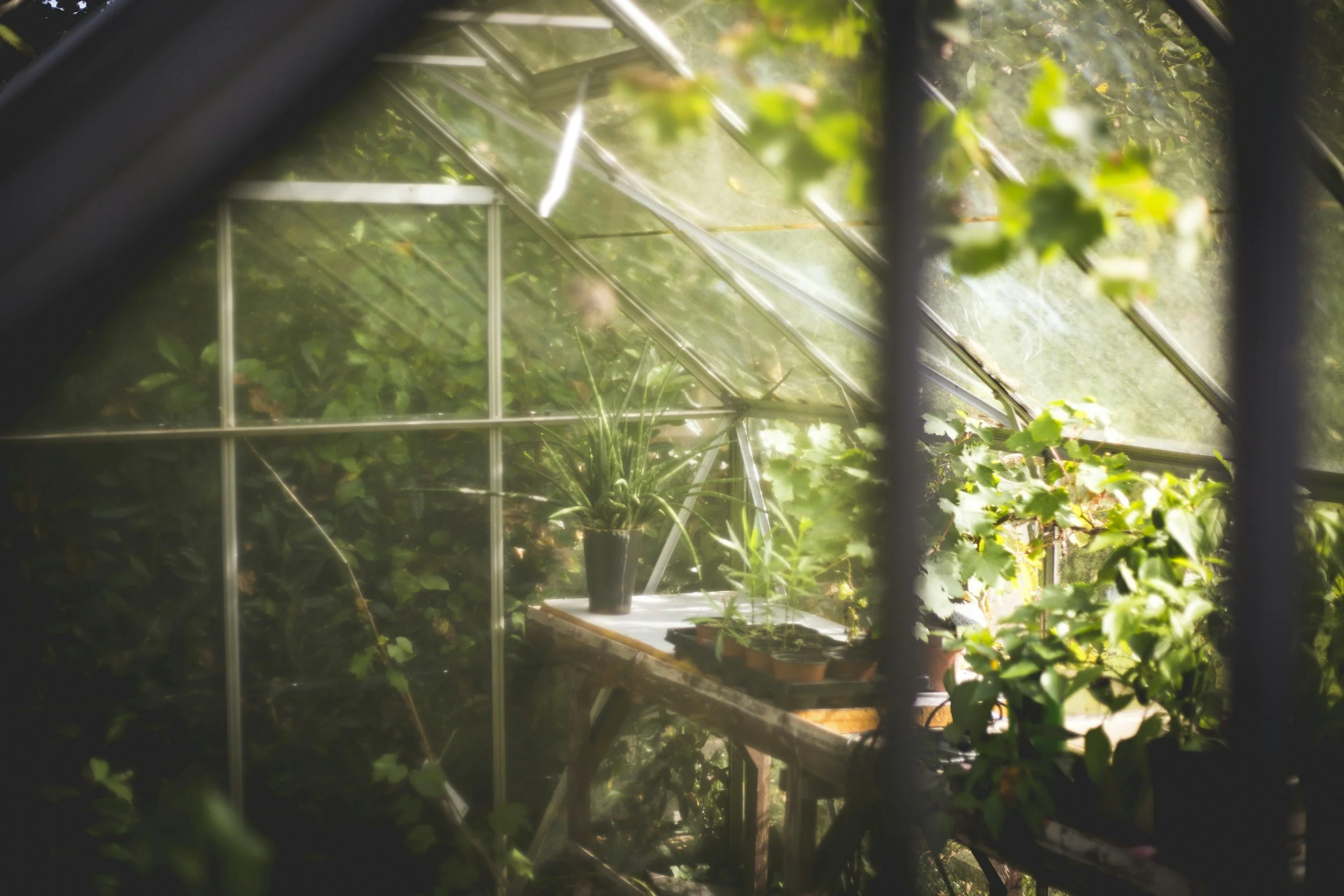
The Lord whispers in the garden, if we still ourselves enough to hear it.
It is the kind not preached with words, but received in the rhythms of sowing and reaping, in the new growth of spring and the dying of fall. In the garden, time ceases to something dictated by the clock, and becomes something greater: a sacramental sign of grace in the cycles of dying and rising.
When we tend the garden, we absorb the lessons of the seasons. In this seasonal living, the soul finds a rhythm of prayer deepened by habit, embodied in the work of the moment. We learn to pray not instead of digging or weeding, but through it.
Spring: The Liturgy of Hope
Spring is the season of audacity. It dares us to believe in beginnings even before they look like anything. We press unimpressive seeds, small and dry as dust, into the soil. We water and we wait. Spring teaches the gardener to trust.
There is a particular vulnerability in planting. You cannot force growth. You can only prepare the soil, bury the seed, and surrender. In this way, spring becomes a living act of faith—a reminder that God works imperceptibly and in His own time. Some seeds germinate only in darkness.
For the soul weary from winters of waiting, the garden in spring whispers: “Behold, I make all things new.” A faithful gardener hopes for the future, even when nothing has sprouted yet.
And so, we sow—not just lettuce and peas, but prayers: for children, for healing, for clarity, for the slow blooming of what we cannot yet name. Each seed planted is a fiat: let it be done according to Your will.
Summer: The Discipline of Stewardship
Where spring gives us the joy of newness, summer gives us the grind. The heat is relentless. The weeds are faster than the beans. When the thrill of planting has passed, the garden demands the steady work of diligence: watering, pruning, guarding from pests.
In summer, the garden teaches perseverance. It teaches us dedication beyond excitement, faithfulness to what’s entrusted to us, simply it is ours to tend.
Summer in the garden is a season of fidelity, a reminder that what we tend daily—even imperfectly—will bear fruit in due time. It’s not glamourous work, but something better: a testament to the sanctification of the work of our hands, labor offered in imitation of the Creator who gave us life from the dust.
Autumn: The Abundance of Gratitude and the Surrender of Letting Go
With autumn comes the harvest: crisp mornings, basketsful of pumpkins and apples-- the dizzying bounty of what the earth has given. Autumn is the time to give thanks.
It is also the time to learn to let go.
There is no keeping a harvest forever. The basil goes to seed. The squash vines wither. The garden browns. Autumn teaches us that abundance is not meant to be hoarded but shared, preserved, and released. The spiritual life echoes this in its call to surrender gifts back to God: the children we raise, the work we love, even our very selves. As Robert Frost reminds us, “Nothing gold can stay.”
To pray in autumn is to pray with open hands. “Thank You,” we say. “And now, take what must be taken. Let die what must die.”
It is a Eucharistic season—where the harvest is gathered, broken, and given away.
Winter: The Hidden Life of Rest
As the days grow shorter, the garden sleeps beneath a blanket of snow. At first, it feels like loss: empty beds, barren branches, and silence when the birds used to sing.
But winter is not always death. Often, it is merely dormancy. Beneath the frost, the soil restores itself while roots deepen. Chill hours transform barren branches to bear fruit in due season.
Winter speaks to us of the gift of Sabbath: rest, too, is holy.
So too in prayer. In the absence of sweet fruits, we feel that God has withdrawn. If we rest in the stillness, we can recognize desolation as deeper invitation to love God not for His sweetness, but for God alone.
In winter, we are called to watch the snow fall, to rest alongside the garden, and to trust that spring—and new life—will come again.
Seasons as Sacred Teachers
There is no rushing the harvest. The garden teaches us to imitate our God who is patient, who delights in small things, who ordained that all of life should move in cycles—birth, growth, death, rebirth.
To garden is to participate in the liturgy of creation, a calendar older and wiser than our own. It asks us to meet God both in morning prayer, and in the slow turning of compost.
As Wendell Berry reflects, “There are no unsacred places; there are only sacred places and desecrated places.” When we faithfully tend our garden, it becomes a sacred place, one that blesses us beyond the food that nourishes; it nourishes our very souls.
If you enjoyed this reflection, you might also like my book, Grow Where You’re Planted: Reclaiming Eden in Your Own, a family guide to seasonal abundance and self-sufficient living wherever you are.